
Top 6 Egyptian Cat Breeds: History, Personality, and Characteristics
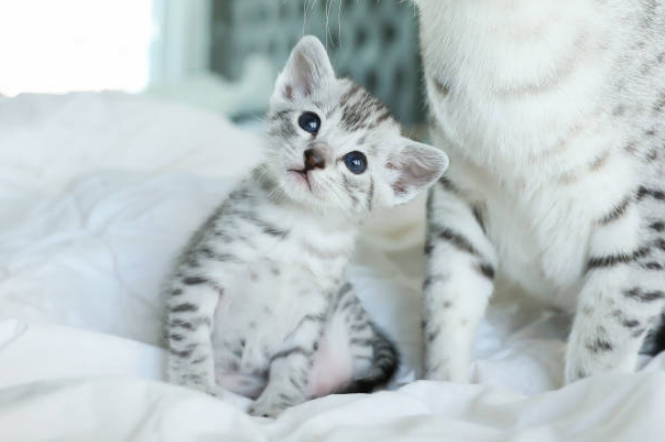
For ages, the story of cats has slunk from mythology into the land of culture and everyday life in Egypt.
In antiquity, cats were revered not merely as pets but as logistical defenders, emblems of the deity, and sympathetic friends.
In ancient times, cats were sacred animals; they were considered more than just pets and as sacred guardians, emblems of the goddess, and loving companions.
British Egyptian cat breeds continue to enthrall their fanciers by merging ancient wonder and fascinating traits in their unique forms. This article mainly focuses on their history, characteristics, and personality.
History and Cultural Importance of Egyptian Cats
About 1500 BC, Egyptian cats first became domesticated (in civilization). Their ancestors were the African wildcats Felis silvestris lybica.
They were the companions, guardians of granaries, and the men against poisonous snakes. The goddess Bastet-mother, usually represented as a lioness or a domestic cat, had apparent protection with fertility and thus made the cat sacred to her.
Mummified cats made their way into tombs bedecked in jewelry to signify their elevated rank.
Almost all modern Egyptian cat breeds trace their ancestry to Egypt because of their ancient history; genetic analyses have proven that all domestic cats, some referred to as Egyptian cat breeds, have common ancestors with the wildcats found in North Africa. Selective breeding concerned pure Egyptians with diverse genetic backgrounds.
European Cat Breeds
1. Egyptian Mau
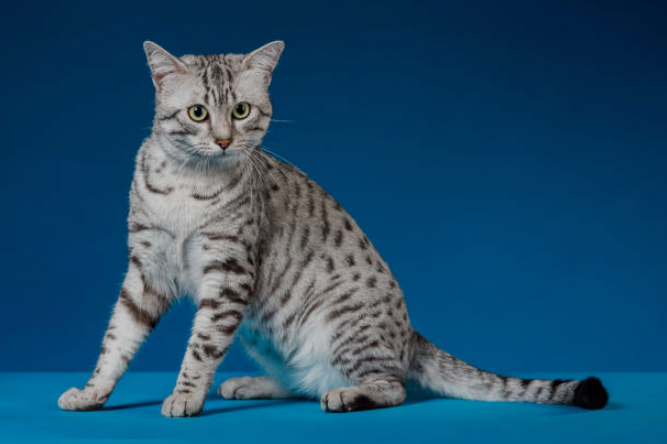
The Egyptian Mau is the only surviving breed directly linked to the ancient Egyptian civilization." Temple paintings and inscriptions dated before 1550 B.C. show that they were temple pets and resembled modern Egyptian Maus.
The "mau" is a name that has directly come down to us from the ancient Egyptian name for cat. In North America, just after World War 2, Russian Princess Nathalie Troubetskoi imported this breed and began protecting it from potential deterioration.
There are likely around 7,000 registered cats worldwide, including it, some of the rare cat breeds' finest specimens.
They have the following physical characteristics:
● Coat: Short, silky, and spotted; unique among domestic breeds.
● Color: Colors are silver, bronze, smoke, or black.
● Eyes: Gooseberry-green, large, and almond-shaped.
● Build: Medium-sized and muscular, incorporating a flap of skin to the knee.
Egyptian Maus are loyal and fun animals, strongly bonded with only one individual. They are the best athletes among all the cats.
They can run very fast, with a speed covering 30 Mph, and jump to a height of about 6 feet in a single jump. They are very vocal birds, chirping and trilling, and enjoy a good bath.
They are very easy to care for; brushing them once a week is plenty. Their diet includes high-protein food to fuel their energy. The Automatic Feeder will help you feed this lively breed. Plenty of tall cat trees and puzzle toys.
They are prone to luxating patellas and some urinary issues; therefore, regular vet check-ups are necessary.
2. Nile Valley Egyptian Cat
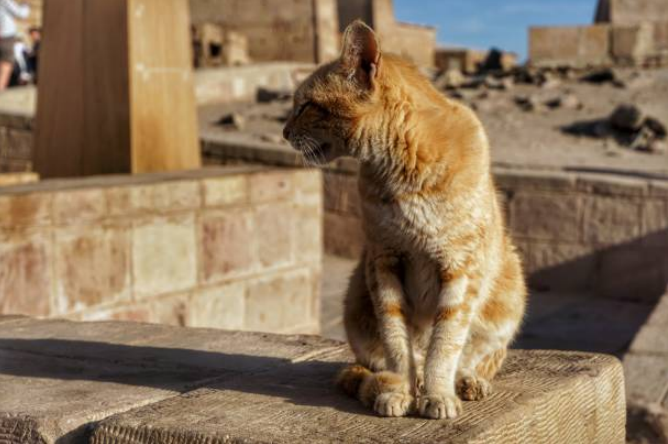
Since the breed is that rare Egyptian cat confused with the Mau, we believe it traces its descent directly from the wildcats.
These feral cats reside on the streets of Egypt, their lives threatened by local attempts to eradicate them. The Nile Valley Egyptian Foundation rescues and rehouses them, preserving their name as a "missing link" in the domestication timeline.
They have the following physical characteristics:
● Coat: Short- to semi-long with spotted or marbled patterns.
● Colors: Bronze, black, silver, or smoke.
● Eyes: Amber or green in wild almond shape.
● Build: Slender and athletic, resembling their wild ancestry.
With enough time to get acquainted, they built trust and gave affection. Nile Valley cats are curious and intelligent but shy away from strangers.
They avoid new surroundings to avoid excessive skittishness. They eat Quality kibble supplemented with lean protein. They need weekly brushing using the Self-Cleaning Brush, which can help minimize shedding.
They are doing well, though deworming and immunization will be very important for these rescued cats.
3. Chausie
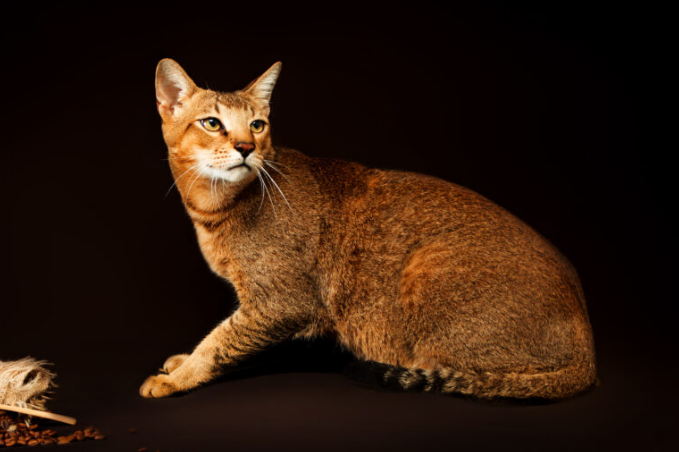
People have known the large domesticated Mesoamerican cat born in Egypt's jungle as Chausie. They have regarded and even "mummified" these cats as sacred to the ancient Egyptians by having them buried alongside their owners.
The modern Chausie cat is a breed that has existed since the 1990s but was included on TICA's list only this year.
They have the following physical characteristics:
● Fur: Short, harsh, and dense ticked hair banding.
● Colors: Black, brown, or silver tabby.
● Eyes: Ranges from golden to hazel.
● Build: Muscular cats from 15 to 25 pounds with a height of about 19 inches at shoulder level.
Intelligent, fun, and highly interactive, Chausies love to play in the water, and we train them to walk on a leash. They are energetic feline beasts that need entertaining.
They play daily and interact. You can buy toys and accessories for them.
They are most suited to raw or protein-rich feeding that imitates a natural diet.
They play best outdoors or in large indoor spaces.
They have a sensitive stomach, so we suggest grain-free.
Breeds That Are Often Misidentified as Egyptian
1. Abyssinian
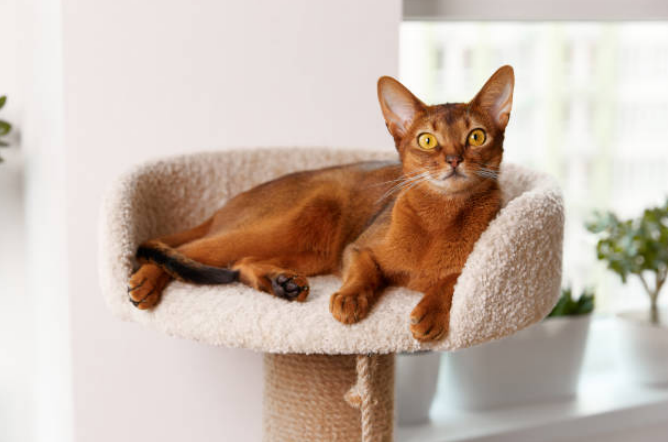
They are an alleged association with Egypt. The coat is ticked, the eyes are almond-shaped like those of some ancient art, and the DNA trace shows origins in Southeast Asia. The name comes from Abyssinia, as modern Ethiopia, with a cat named Zula brought in 1868 by British soldiers.
They have the following physical characteristics:
● Personality: Social, playful, and mischievous.
● Care: Regular grooming, provided with mental stimulation.
2. Sphynx
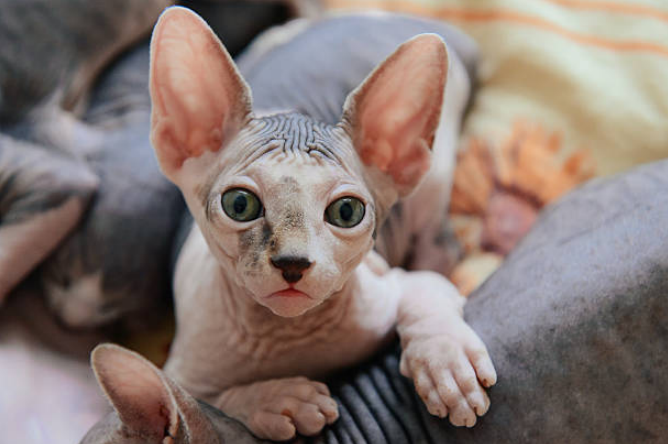
They are also known as the hairless cats. In 1966, a breed developed out of Canada that came to be known as the Egyptian Sphynx, but their hairlessness was no product of a long ancestry. Instead, a mutation caused the breed to be created.
They need the following care tips:
They need weekly bathing to reduce oil buildup. They need to wear sweaters in cold weather.
3. Savannah
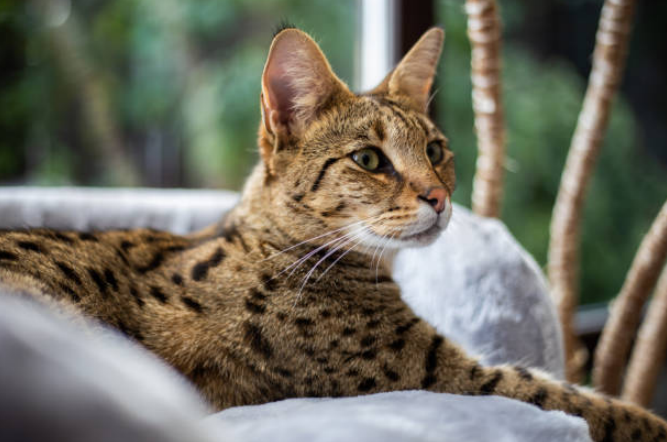
They are the modern hybrid. Sauntering between Servals(wild cats traded in ancient Egypt), Savannahs are big Egyptian cat breeds only in looks.
When bred with domestics, early generations (F1-F3) retained wild attributes like bold markings and a love for water.
They need the following care tips:
● Enrichment: Safely secure outdoor areas or a catio.
● Diet: High-protein and low-carbohydrate meals.
How To Care For Egyptian Cat Breeds
Grooming, exercise, and environment are individual requirements of each breed.
The Sphynx needs a bath once a week with a gentle shampoo without hair. It makes oils from the skin come out on the surface. They need bathing to remove that extra oil.
The long-haired Shirazi needs grooming every day to avoid the coat from rolling into knots; else, horror of horrors, matting.
Short-haired spotted Egyptian Mau and Abyssinian cats need brushing lightly once every week to maintain health and minimize shedding. They need space for exercising and interacting with people.
Good playthings for play with all cats and spaces for them must be developed and used exclusively for climbing. Sooner or later, a big hypercar will need more activities for a beautiful character like Chausie or Savannah. You can buy various toys and accessories for them.
The habitats mentioned above, including those of excellent grooming tools, well-balanced nutritious diets, and relatively enriched environments, are required for these beautiful and intelligent beings in the house to maintain good health and a happy life.
Conclusion
Egyptian cat breeds are more than just striking in appearance, they carry history in every graceful step. Whether it’s the quicksilver elegance of the Egyptian Mau or the wild, statuesque beauty of the Chausie, these cats thrive with thoughtful, breed-specific care.
More than affection, they need structure. Balanced nutrition, mental engagement, and a space that respects their energy and intelligence are essential. That’s where the right tools make all the difference.
WOpet helps make that care easier. From automatic feeders that keep mealtimes on track for active breeds like the Savannah, to self-cleaning litter boxes that simplify routines in busy homes, every product is designed to support your cat’s health and happiness. Interactive toys and smart accessories add the enrichment these ancient souls crave.
FAQ Section
1. What are the rarest Egyptian cat breeds?
The Egyptian Mau (7,000 registered) and the Nilotic-Breed Egyptian Cat (feral and rescued) rank first among rare breeds.
2. What is the price range for Egyptian cat breeds?**
The price range for Egyptian cat breeds is as follows:
Mau: $800–$2,500.
Chausie: $1,000–$5,000.
Savannah: Up to $20,000 for F1 hybrids.
3. Did ancient Egyptians have hairless cats?
The hairless cats do not have any ancestral connection with the cats that belonged to Egypt.
Resource: Egyptian Cat Breeds