

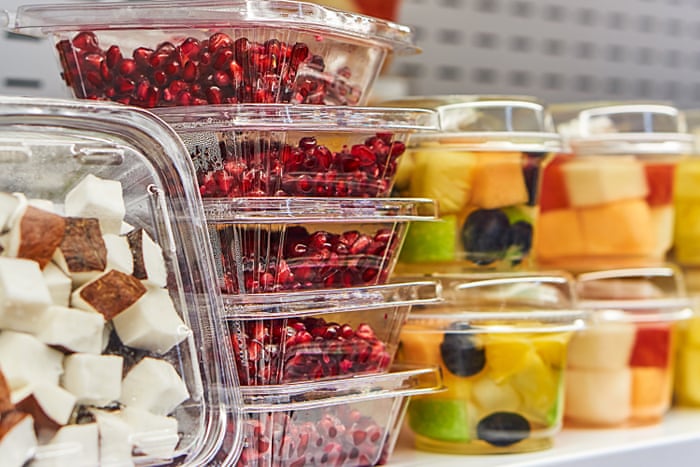
Food packaging has evolved from being a mere protective covering to a dynamic marketing tool that plays a vital role in enhancing brand visibility and consumer experience. As the food industry continues to grow and consumer preferences shift, food packaging is increasingly seen as an essential element of product development and consumer engagement. In this article, we will explore the latest trends in food packaging, technological innovations, and the growing emphasis on sustainability.
The Growing Importance of Food Packaging
In the competitive world of food production, packaging is much more than a container; it’s a direct reflection of your brand’s values, innovation, and commitment to quality. Packaging ensures the safety of food products, helps extend shelf life, and most importantly, influences purchasing decisions. According to various studies, consumers often make split-second judgments about a product based on its packaging, which can directly impact sales and brand loyalty.
Key Food Packaging Trends
-
Sustainability at the Forefront Sustainability has become a central concern in the food industry, with both consumers and businesses pushing for eco-friendly packaging solutions. Traditional packaging materials like plastics, which contribute to environmental pollution, are being phased out in favor of biodegradable, recyclable, or compostable options. Materials like paper, glass, and bioplastics are gaining popularity for their reduced environmental footprint. Brands that adopt sustainable packaging not only attract eco-conscious consumers but also demonstrate their commitment to reducing waste and environmental impact.
-
Minimalist Packaging Design Minimalism in food packaging design is a growing trend, reflecting simplicity, elegance, and functionality. A clean and straightforward design helps to reduce excess materials and ensures that the packaging communicates only the most important information. This trend has gained traction due to both environmental concerns and the consumer preference for streamlined, less cluttered designs. Minimalist packaging focuses on the essence of the product, offering an uncluttered presentation that helps the product stand out.
-
Personalized and Limited-Edition Packaging Personalized and limited-edition packaging is a creative way to engage consumers and drive sales. Special edition packaging designs for holidays, seasonal events, or celebrations can evoke emotional connections with the customer and make products feel unique. Custom packaging options also allow brands to tailor their product’s look to specific target demographics, creating a stronger emotional connection with consumers and boosting brand loyalty.
-
Functional Packaging for Convenience Today’s consumers value convenience and ease of use, making functional packaging essential. Features like resealable bags, microwave-safe containers, portion-controlled servings, and single-use packaging have become highly desirable. These designs not only ensure the practicality of packaging but also improve the overall consumer experience, aligning with modern, fast-paced lifestyles.
-
Smart Packaging: The Intersection of Technology and Packaging As technology advances, smart packaging is revolutionizing the food industry. Smart packaging can use sensors and RFID tags to provide real-time information about a product, such as its freshness, storage conditions, and temperature. QR codes are increasingly used to connect consumers to additional product details, promotions, and even traceability information that enhances product transparency and safety. This level of interactivity can create a deeper consumer connection with the brand and improve the shopping experience.
The Role of Technology in Food Packaging
Technological innovations are significantly influencing the future of food packaging. Here are some of the most exciting technologies shaping the industry:
-
3D Printing 3D printing is beginning to make its mark in food packaging, enabling the creation of custom shapes and designs that were previously impossible with traditional methods. This technology allows for faster prototyping and more precise, complex designs, giving brands the ability to experiment and innovate without the constraints of traditional manufacturing processes.
-
Active and Intelligent Packaging Active packaging works to maintain or enhance the shelf life of food by releasing or absorbing substances such as oxygen, moisture, or ethylene gas. Intelligent packaging, on the other hand, includes interactive elements like sensors and smart labels that provide information about product freshness and quality. These technologies not only help reduce food waste but also provide consumers with real-time data, increasing trust and transparency.
-
Nanotechnology in Packaging Nanotechnology is gaining traction in food packaging as a way to enhance food preservation and improve safety. By utilizing nanomaterials, such as nanosilver or nano-clays, food packaging can have antimicrobial properties that prevent the growth of bacteria and extend the freshness of food. Additionally, nanotechnology can help create more durable and lightweight packaging that requires fewer resources to produce.
-
Edible Packaging The concept of edible packaging is one of the most innovative trends in food packaging. Made from natural ingredients such as seaweed, rice, or fruit, edible packaging can eliminate waste entirely. Consumers can eat the 紙外賣盒 along with the food, reducing the environmental impact of discarded packaging materials. Though still in early stages, edible packaging is a potential game-changer for the future of food packaging.
Sustainability in Focus
As consumer preferences shift toward more sustainable lifestyles, businesses are feeling the pressure to adopt eco-friendly practices. The food packaging industry is no exception. With plastic waste being one of the leading environmental challenges, companies are increasingly turning to alternative packaging solutions. Here’s how sustainability is shaping the future of food packaging:
-
Biodegradable and Compostable Materials Biodegradable packaging is designed to break down naturally over time, reducing the environmental impact compared to traditional plastics. Compostable materials, made from plant-based substances, can be safely disposed of through composting and won’t leave harmful residues. These materials are gaining popularity in food packaging, especially in the fresh produce and snack food sectors.
-
Recyclability and Circular Economy Packaging materials that can be easily recycled are essential to reducing waste. Many companies are embracing the circular economy model, where packaging is reused or recycled to create new products. For example, brands are now using post-consumer recycled (PCR) plastics in their packaging, which helps reduce the demand for virgin plastic and encourages a more sustainable packaging lifecycle.
-
Packaging Reduction Another key sustainability trend is the reduction of packaging waste. Brands are rethinking their approach to packaging, focusing on designing smaller, more efficient packages that require fewer materials. Additionally, larger brands are exploring options such as refill stations or bulk containers to reduce single-use packaging altogether.
The Future of Food Packaging
The food packaging industry is at a pivotal moment where technology, sustainability, and consumer-centric design are converging to create innovative solutions. As businesses and consumers alike become more environmentally conscious, sustainable and functional packaging will continue to dominate the market. By embracing these trends and utilizing the latest packaging technologies, brands can not only improve their products’ shelf appeal but also contribute to a more sustainable future.
At PackLab, we understand the importance of food packaging as a crucial part of product development and consumer engagement. Our custom packaging solutions combine cutting-edge technology with sustainable practices to create designs that are not only functional but also environmentally friendly.
Conclusion
The future of food packaging lies in innovation, sustainability, and consumer-focused design. Brands that adopt eco-friendly materials, incorporate smart technology, and create packaging that enhances the consumer experience will be better positioned to succeed in the competitive food industry. At PackLab, we are committed to helping you create packaging that reflects your brand’s values while meeting the demands of a more sustainable and technology-driven market.

Leave a Reply