

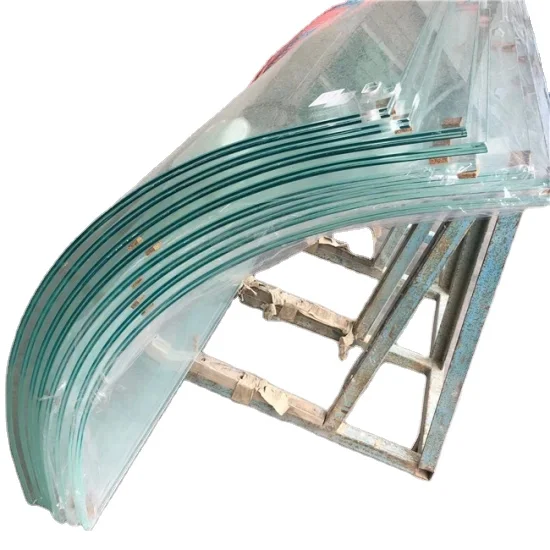
Modern glass is no longer just a transparent material used in windows or decorative elements; it has evolved into a highly versatile and functional solution across various industries. From architecture to automotive engineering, the innovative applications of glass have transformed the way we build, design, and interact with the world around us. Today, ice cream cup as a powerful material that combines aesthetic appeal with enhanced functionality, safety, and energy efficiency. Here’s a look at the diverse ways modern glass solutions are being used in these two fields.
Glass in Architecture: A Modern Touch to Design and Efficiency
In architecture, glass has become an essential component for creating sleek, contemporary designs that emphasize openness and natural light. Modern glass solutions offer not only visual appeal but also contribute to the performance and sustainability of buildings. Large glass windows, facades, and curtain walls are commonly used in both residential and commercial projects, allowing for expansive views, better lighting, and a greater connection to the outdoors.
One of the key benefits of modern glass in architecture is energy efficiency. Advances in glazing technologies have led to the development of high-performance insulating glass units (IGUs), which can significantly reduce energy consumption. These units are designed with multiple layers of glass, often with a gas fill like argon or krypton, to create better thermal insulation. This helps keep interiors cool in the summer and warm in the winter, ultimately lowering heating and cooling costs.
Moreover, glass can be integrated with smart technologies, such as electrochromic glass or photochromic glass, which adjust to light levels and reduce glare. These "smart windows" enhance both comfort and energy efficiency by controlling the amount of sunlight entering a building, reducing the need for artificial lighting or excessive air conditioning. These innovations have made glass an indispensable material for sustainable architecture, allowing buildings to be more environmentally friendly and cost-effective.
Glass in Automotive: Safety, Performance, and Aesthetics
In the automotive industry, glass has similarly evolved from a simple functional element to a critical component of vehicle design and performance. Modern vehicles are equipped with an array of glass solutions that provide safety, aesthetics, and comfort for drivers and passengers alike.
The windshield, for instance, plays a critical role in the structural integrity of a vehicle. Automotive glass today is designed to withstand high-impact forces, with laminated glass that keeps the glass intact in the event of an accident. This ensures that occupants are protected from flying debris and from being ejected from the vehicle. Additionally, automotive glass is often treated with coatings that help with UV protection, reducing the harmful effects of the sun's rays on both passengers and the car’s interior.
Another area where modern glass is being used in automotive design is in the development of panoramic sunroofs and windows. These large, seamless pieces of glass offer passengers a more open and airy feeling inside the vehicle, while also providing an unobstructed view of the sky. This type of design is increasingly popular in luxury vehicles, where aesthetics and passenger experience are key priorities.
Advances in automotive glass technology also include innovations in heating and defrosting capabilities. Heated windshields and side windows, for example, use embedded conductive layers within the glass to quickly clear frost or ice. Additionally, glass is becoming more integrated with advanced driver-assistance systems (ADAS), with features like heads-up displays (HUDs) projected onto the windshield, and sensors embedded into the glass for radar and camera functionality.
The Future of Glass: More Applications Ahead
The potential applications of modern glass solutions extend beyond architecture and automotive design. Glass is also being explored in fields such as electronics, healthcare, and energy. In electronics, for instance, glass is being used in the development of flexible displays and touchscreen devices. In the energy sector, photovoltaic glass is being integrated into buildings and vehicles to harness solar energy, providing an innovative approach to sustainable power generation.
As glass continues to evolve, its possibilities seem endless. Whether improving the aesthetics of a building, increasing the safety and performance of vehicles, or driving new innovations in other industries, modern glass solutions demonstrate the remarkable versatility of this timeless material.
Conclusion
From transparent windows that allow natural light to flood interiors to advanced, impact-resistant materials that enhance safety, modern glass solutions are transforming industries. In both architecture and automotive design, glass has proven itself to be much more than just a decorative element; it’s a dynamic material that enhances functionality, energy efficiency, and overall user experience. With continued advancements in glass technology, the future looks bright for this indispensable material in creating the buildings, vehicles, and innovations of tomorrow.

Leave a Reply