

body {
font-family: Arial, sans-serif;
line-height: 1.6;
margin: 20px;
background-color: #f4f4f4;
}
h1 {
color: #333;
}
h2 {
color: #2c3e50;
}
ul {
margin: 10px 0;
padding: 0 20px;
list-style-type: disc;
}
li {
margin: 5px 0;
}
a {
color: #3498db;
text-decoration: none;
}
a:hover {
text-decoration: underline;
}
.highlight {
background-color: #d9edf7;
padding: 10px;
border-left: 5px solid #31708f;
}
In the oil and gas industry, drilling training simulators play an essential role in enhancing operational efficiency, safety, and cost-effectiveness. These advanced tools have revolutionized the methods by which professionals are trained, allowing for a more immersive and practical learning experience. The integration of technology in drilling operations not only improves training outcomes but also significantly reduces risks associated with real-world drilling activities.
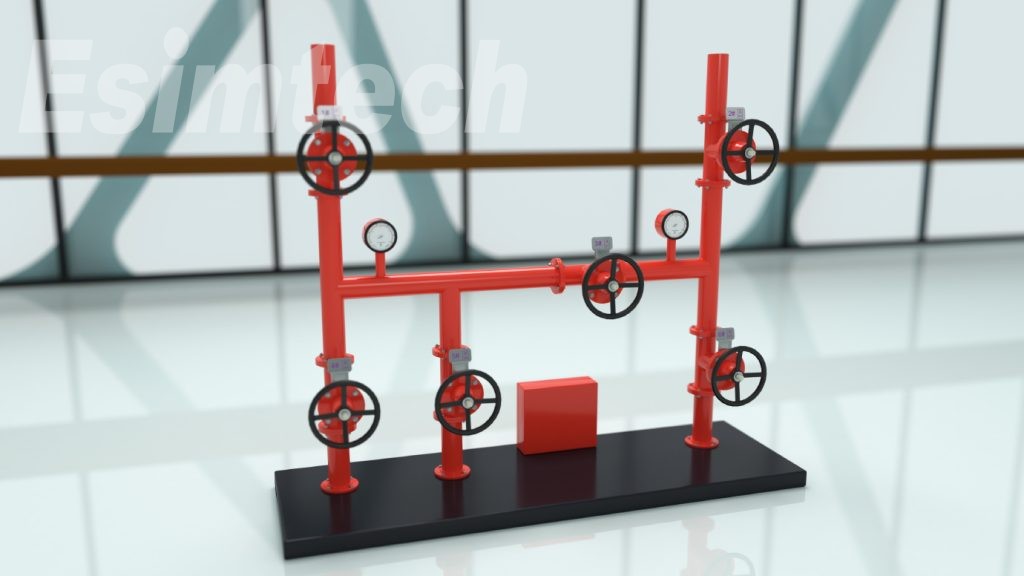
Types of Drilling Training Simulators
Drilling training simulators can be categorized into several types, each designed to meet specific training needs and scenarios. The diversity in simulator design allows for flexibility in training methodologies, ensuring that all aspects of drilling operations can be comprehensively covered.
- Portable Drilling Simulators:
- DrillSIM:20: This portable simulator offers real-time drilling and well control training. It complies with IADC and IWCF certification standards, making it suitable for various training scenarios, including well control and drilling optimization.
- ADS1-Drill and ADS2-Drill: These simulators are available for daily rental, allowing teams to refresh their well control knowledge and practice best drilling practices in a convenient setting.
- Full-Scale Drilling Simulators:
- DrillSIM:5000 Classic: This highly realistic simulator replicates conventional drilling equipment, providing extensive training opportunities for well control and emergency response.
- DrillSIM:5000 Cyber: Featuring a modern 3D four-screen display and joystick controls, this simulator presents an affordable entry point for full-scale drilling and well control training.
- Software Simulators:
- DrillSIM:5: Operable on laptops or PCs, this software-based simulator provides a variety of real-time drilling and well control simulations, making it ideal for personalized training and theoretical study.
Applications in Education and Training
Training simulators are not just tools for operational practice; they also serve significant educational purposes. The incorporation of simulation in drilling operations has led to enhanced learning outcomes and improved knowledge retention among trainees.
- DrillSim Educator: This simulator is tailored for educational settings, aligning training scenarios with curriculum requirements, thereby enriching the learning experience.
- DrillSIM Academy: By offering hybrid learning solutions that combine simulator training with online learning, this program increases the flexibility and effectiveness of drilling training.
Moreover, simulators can be utilized for a variety of other applications, such as Drilling Training Simulators for well control training, optimizing drilling operations by simulating different techniques, and enhancing team collaboration skills.
Performance Indicators and Simulation Accuracy
The effectiveness of drilling training simulators is determined by several critical parameters. These indicators ensure that the training provided is both realistic and beneficial for the users.
- Performance Metrics:
- Job operations, including tripping, drilling, and well control, are comprehensively covered, allowing for a holistic training experience.
- High display resolutions, such as 3072×768, enhance the visual experience, enabling trainees to observe details effectively.
- Average uptime metrics, such as ≥5000 hours, reflect the reliability and stability of the simulators.
- Simulation Precision:
- Real-time data acquisition capabilities allow for the monitoring of drilling parameters like weight on bit and mud flow rates, displayed graphically for immediate analysis.
- Geological condition simulation provides insights into various subsurface environments, enhancing the realism of training scenarios.
- Training Capabilities:
- The training modules cover critical aspects such as oil-based mud handling and dynamic pressure management during well control.
- Complex scenarios, including horizontal and deviated wells, can be simulated to prepare trainees for real-world challenges.
- Customizable training modules ensure that specific client needs are met, promoting an optimal training experience.
In conclusion, drilling training simulators represent a significant advancement in the oil and gas sector, providing flexible, efficient, and safe training solutions. By utilizing these simulators, organizations can enhance the skills of their workforce while minimizing risks and costs associated with traditional training methods. The importance of simulation for drilling operations cannot be overstated as it paves the way for a more competent and prepared workforce in the challenging environment of oil and gas extraction.

Leave a Reply